Laser: Healing Power!

Liam Reilly
| 21-04-2026
 · Science Team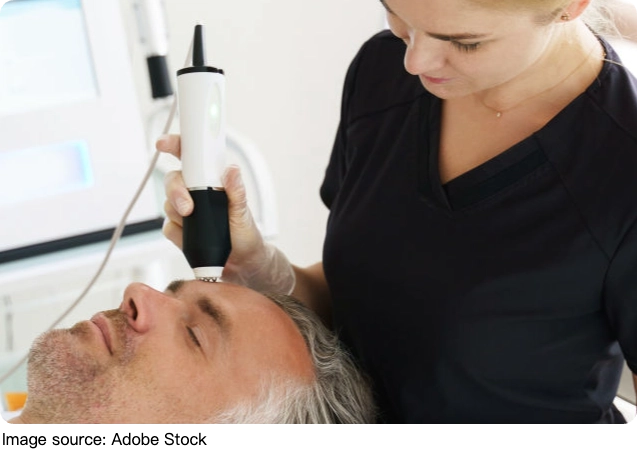
Advances in medical technology have transformed approaches to tissue repair, with laser-based therapies emerging as a precise and controlled method for enhancing regeneration. Laser medicine, particularly in the context of wound healing, utilizes focused light energy to influence cellular activity, accelerate repair processes, and reduce complications associated with delayed healing.
Unlike conventional treatments that rely solely on chemical or mechanical intervention, laser applications operate at a photobiological level, directly interacting with cells and tissues to stimulate recovery.
Principles of Laser-Tissue Interaction
Laser devices emit coherent light at specific wavelengths, enabling targeted energy delivery to biological tissues. When this light reaches the surface, it is absorbed by cellular chromophores—molecules that capture light energy. This absorption triggers a series of biochemical reactions known collectively as photobiomodulation.
Different wavelengths produce varying effects based on the tissue depth they reach and their interactions with tissue components. Low-level laser therapy (LLLT), also known as cold laser therapy, uses lower energy levels to stimulate healing without causing thermal damage. In contrast, higher-intensity lasers enable precise tissue removal or restructuring, while regenerative applications typically favor non-destructive energy levels.
Cellular Activation and Energy Production
One of the most significant effects of laser exposure involves the stimulation of mitochondrial activity. Mitochondria, often described as the energy centers of cells, respond to light absorption by increasing the production of adenosine triphosphate (ATP). Elevated ATP levels enhance cellular metabolism, enabling faster synthesis of proteins and structural components required for tissue repair.
In addition to energy production, laser exposure influences reactive oxygen species in a controlled manner. At appropriate levels, these molecules act as signaling agents, activating pathways that promote cell proliferation and migration—two essential processes in wound closure.
Modulation of Inflammation
Inflammation is a natural response to injury, but excessive or prolonged inflammation can hinder healing. Laser therapy has been shown to regulate this process by modulating the release of inflammatory mediators. It can reduce the concentration of pro-inflammatory cytokines while promoting the production of anti-inflammatory factors.
This balanced response creates an environment conducive to regeneration rather than tissue breakdown. Reduced inflammation also contributes to decreased discomfort and improved functional recovery, making laser therapy a valuable adjunct in clinical settings.
Stimulation of Collagen Synthesis
Collagen forms the structural framework of newly repaired tissue. Laser therapy enhances the activity of fibroblasts, the cells responsible for producing collagen and other extracellular matrix components. Increased collagen synthesis leads to stronger, more organized tissue formation.
Furthermore, laser exposure encourages proper alignment of collagen fibers, which is critical for restoring mechanical integrity and minimizing irregularities in the repaired area. This effect is particularly important in reducing the likelihood of excessive scar formation.
Angiogenesis and Microcirculation
Effective wound healing depends on adequate blood supply. Laser therapy promotes angiogenesis, the formation of new blood vessels, by stimulating endothelial cell activity. Improved vascularization ensures that oxygen and nutrients are delivered efficiently to the healing site.
Enhanced microcirculation also facilitates the removal of metabolic waste, creating a more favorable environment for regeneration. This dual effect supports both the initiation and maintenance of the healing process.
Clinical Applications and Outcomes
Laser-assisted wound regeneration has been applied across a range of conditions, including chronic non-healing wounds, surgical incisions, and soft tissue injuries. Clinical observations indicate faster closure rates, reduced risk of infection, and improved tissue quality compared to traditional methods alone.
The non-invasive nature of low-level laser therapy makes it particularly appealing. Treatments are typically painless and can be administered repeatedly without significant side effects. As a result, laser therapy is increasingly integrated into multidisciplinary care strategies.
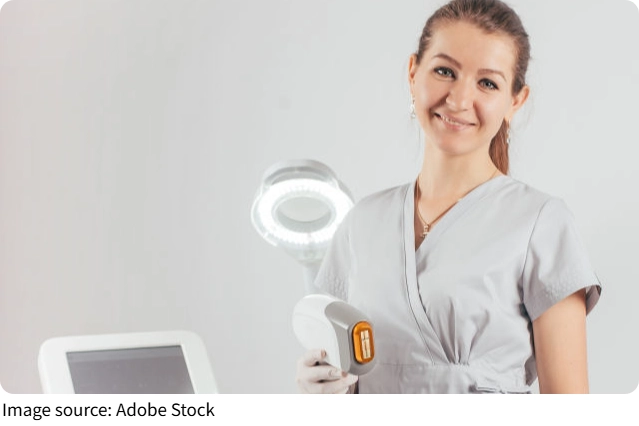
Endre Mester, often regarded as a founding figure in therapeutic laser research, demonstrated that low-level laser irradiation can stimulate biological processes in living tissues.
Laser medicine represents a sophisticated approach to wound regeneration, combining precision technology with biological insight. Through mechanisms such as cellular activation, inflammation control, collagen production, and enhanced circulation, laser therapy supports efficient and high-quality tissue repair. Its ability to influence healing at a molecular level distinguishes it from conventional treatments.