Safe Riding Skills

Naveen Kumar
| 13-05-2026
 · Sport Team
Before we step into the world of horseback riding, we often wonder if it is truly safe. This is a fair question. Many people compare it to learning any new skill that involves coordination and control.
Just like driving or other outdoor activities, proper training matters a lot. But even with practice, we should remember that riding involves real risks.
Understanding the Nature of Horses
To stay safe, we need to understand how horses behave. Horses are highly sensitive animals. They respond strongly to touch, sound, and movement. When we guide them, they mainly follow signals from touch and body cues.
We should also observe their mood. If a horse pulls its ears back or shows restless movements, it may feel uncomfortable or alert. Quick hoof stamping or pacing can also indicate impatience. When we notice these signs, it is better to keep distance and stay calm.
Learning with Proper Guidance
When we ride for the first time, it is always better to be guided by experienced trainers or handlers. In outdoor riding environments, conditions can change quickly, so support is very helpful.
Even if we have ridden before, every horse is different. Before mounting, we should talk with the handler about the horse’s recent behavior. Horses can learn habits from previous riders, and their reactions may change over time. Understanding these small details helps us avoid surprises.
Approaching and Interacting with Horses
We should always approach a horse from the front side at an angle, never directly from the front or back. Sudden movements should be avoided. Horses have a wide field of vision, but depth perception is limited in some areas. This means they may react suddenly if startled by unexpected objects or movement.
Speaking softly is also helpful. Horses can hear very well, so there is no need for loud voices. Calm communication makes them feel more comfortable and reduces stress.
We should also avoid feeding unfamiliar horses. Even friendly actions can be misinterpreted if the animal is not used to us.
Checking Equipment Before Riding
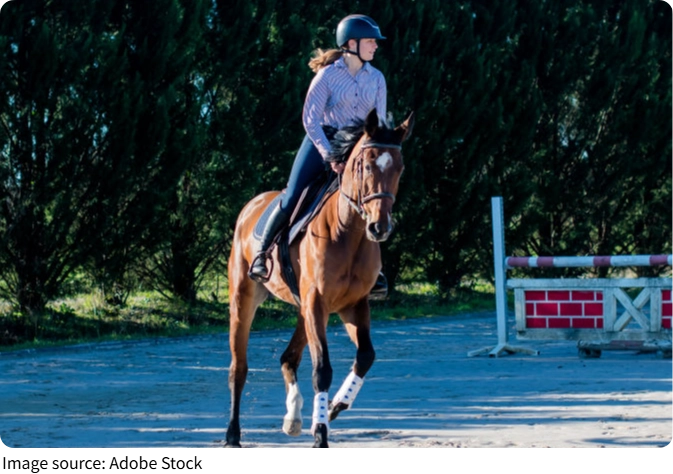
Before we start riding, equipment must be carefully checked. We should make sure the saddle is properly placed and secured. The straps must be tight enough, and the reins should be stable. Stirrup length should also be adjusted to fit our legs.
Many riding accidents happen because of loose or poorly fitted gear. Taking a few minutes to check everything can make a big difference in safety.
Safe Leading and Movement Techniques
When leading a horse, we should stay at its side, usually near the shoulder area. Walking too close to the front or back can be risky. The horse should be guided gently, and movements should remain steady.
We should also keep a safe distance from the legs. Horses can react quickly, and accidental contact may cause injury. Controlled movement and awareness are key.
Choosing the Right Footwear and Helmet
Footwear plays an important role. Shoes should fit securely in the stirrups but also allow quick release if needed. Very loose or overly thick soles are not ideal. High heels or open footwear should also be avoided.
A riding helmet is essential. It should match our head size properly and meet safety standards. In case of a fall, it helps reduce impact and protects the head. Regular sports helmets are not designed for this activity, so proper riding gear is important.
Using Additional Protective Gear
For beginners, wearing a protective vest is a smart choice. It adds extra support to the upper body and helps reduce impact during unexpected movements.
We should always think of protection as part of the experience, not an extra option. It helps us build confidence while learning.
Final Thoughts for Safer Riding
Horseback riding can be an enjoyable outdoor experience when done with care and preparation. The key is to stay aware, respect the animal, and follow proper guidance.
Lykkers, when we take safety seriously, we can enjoy the activity with more confidence and comfort. Every small step—checking gear, understanding behavior, and choosing the right support—adds up to a better riding experience.
Stay alert, stay calm, and enjoy every ride with responsibility and awareness.