Car Scratch Step-by-Step

Chandan Singh
| 26-05-2026
 · Vehicle Team
Hey Lykkers, have you ever walked back to your car in a parking area and noticed a small scratch or scrape? It can feel annoying at first, especially when the cause is unclear.
However, situations like this are usually minor and can be handled in a structured way. Instead of reacting quickly, we can slow down and approach the situation step by step.
A calm response helps us understand what happened more clearly and reduces unnecessary confusion. In most cases, a simple process is enough to resolve everything smoothly.
Step One: Record the Scene Clearly
The first thing we should do is collect accurate information. This step is important because evidence helps explain the situation later.
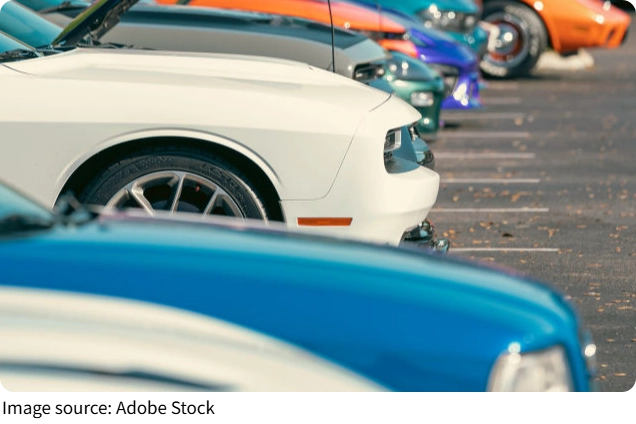
We can take several photos from different angles. A wide shot showing both vehicles and the parking environment is useful. Then, we should take close-up images of the scratch area so the damage is clearly visible. It is also helpful to capture the license plate of the other vehicle.
If the parking area has security cameras, we can contact the management team to ask about available recordings. These details often help clarify how the incident happened.
Step Two: Talk and Exchange Information
After recording the situation, we should communicate with the other driver in a calm and respectful way. Clear communication helps avoid misunderstandings.
We can exchange contact details and briefly discuss what each side observed. If the situation is straightforward, one party may agree to take responsibility for repair costs. If opinions differ, it is better to avoid long discussions on the spot and move to official support channels if needed.
The goal here is not to assign blame immediately, but to ensure both sides have the information needed for the next steps.
Step Three: Understand Responsibility Factors
Responsibility is usually determined by driving behavior and parking conditions at the time of contact. Common situations include reversing without checking surroundings, not giving enough space in tight areas, or moving in restricted directions.
If both sides cannot agree, we can seek assistance from traffic support services. An official report can help document what happened and is often used later for insurance or repair decisions.
In many places, digital reporting tools are also available, making it easier to submit information without long waiting times.
Step Four: Insurance and Cost Handling
Once responsibility is clearer, we can move to the insurance process. It is generally helpful to notify the insurance provider soon after the incident so the claim can be processed smoothly.
For very small repair costs, some people prefer direct settlement between drivers. This can save time and reduce paperwork when both sides agree.
If the other vehicle cannot be contacted or leaves the area, reporting the situation to authorities and the insurance company becomes important. Some policies may still provide partial support depending on coverage conditions.
Many insurers now support photo-based or video-based evaluation, which can speed up the approval process.
Step Five: Repair Choices and Follow-Up
When it comes to repairs, we usually have a few options. Authorized service centers are often chosen for detailed work and consistent quality. They may take longer and cost more, but they offer structured service.
Independent repair shops can be suitable for light surface scratches. They often provide quicker service and more flexible pricing. Before choosing, it helps to confirm materials and paint matching quality.
If the incident happened in a managed parking facility and there is insufficient monitoring, the facility may also share part of the responsibility depending on local regulations.
Keeping all related documents such as photos, messages, and receipts is important for any follow-up needs.
Practical Advice for Everyday Parking
After handling the situation, it helps to move the vehicle to a safe spot so traffic flow is not affected. Keeping calm and organized throughout the process makes everything easier.
We can also reduce future risks by choosing parking areas with better visibility or camera coverage when possible. Small habits, like checking space around the vehicle before leaving it, can make a big difference over time.

Simple Steps Make a Big Difference
Lykkers, minor parking scrapes may feel inconvenient, but they are usually manageable when we follow a clear process. By recording the scene, communicating calmly, understanding responsibility, handling insurance properly, and choosing suitable repair options, we can resolve most situations efficiently.
Have you ever experienced a similar moment in a parking area? Sharing experiences can help us all feel more prepared and confident next time something like this happens.