Positive School Climate

Amit Sharma
| 16-07-2026
 · Science Team
A positive school environment represents more than physical buildings or academic schedules.
It reflects emotional safety, structured support systems, meaningful relationships, and consistent encouragement that collectively influence children's developmental pathways.
Research in education and developmental psychology consistently shows that the quality of a school climate significantly affects cognitive growth, emotional stability, social competence, and long-term life outcomes. When learning spaces are nurturing and well-organized, children are more likely to develop confidence, curiosity, and adaptive thinking skills that extend far beyond the classroom.
The Foundation of Emotional Security in Learning Spaces
Emotional security within educational environments forms the basis for effective learning. When learners experience stability, respectful interaction, and predictable routines, cognitive resources are more available for concentration and problem-solving. A supportive atmosphere can help reduce everyday stress, allowing learners to focus more effectively on learning and information processing.
Positive reinforcement from educators contributes to stronger engagement with academic material. Constructive feedback helps shape persistence and resilience, especially when challenges arise. Over time, consistent emotional safety strengthens self-regulation skills, allowing learners to better manage frustration and uncertainty during complex tasks.
Cognitive Growth and Academic Development
A well-structured educational environment stimulates intellectual development through exposure to varied learning strategies and interactive instruction. Inquiry-based learning, collaborative tasks, and experiential activities encourage analytical thinking and deeper comprehension.
Children exposed to enriched academic settings often demonstrate improved language acquisition, reasoning abilities, and abstract thinking. Cognitive development is further enhanced when instruction is adapted to different learning styles, ensuring accessibility and reducing learning barriers.
Research in neuroscience suggests that consistent stimulation during early educational experiences supports the development of neural pathways associated with memory, learning, and problem-solving. This highlights the importance of maintaining learning environments that provide appropriate levels of challenge while supporting individual development.
Social Skills and Interpersonal Development
School environments play a critical role in shaping interpersonal behavior. Interaction with peers provides opportunities for cooperation, negotiation, and conflict resolution. These experiences contribute to the development of empathy, communication skills, and social awareness.
Group activities encourage teamwork and effective communication, both of which are valuable throughout education and later stages of life. Respectful interaction patterns learned in school often contribute to positive relationship-building skills.
Role of Educators and Institutional Culture
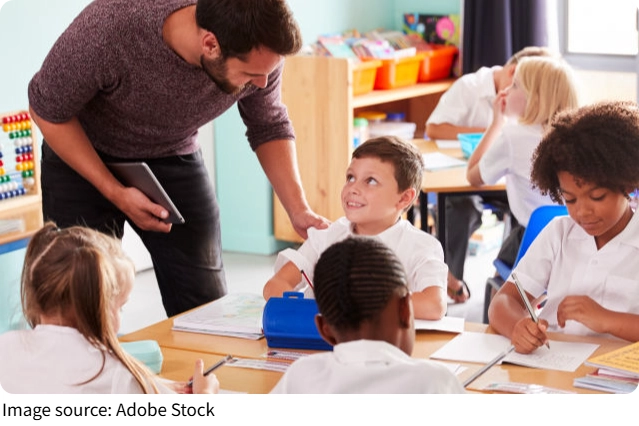
Educators significantly influence how learners perceive their abilities and potential. Encouragement, fairness, and consistency in teaching approaches create trust and stability. Institutional culture, including policies and behavioral expectations, further shapes daily experiences.
Schools that prioritize respect, inclusion, and encouragement often promote positive learning behaviors and stronger academic engagement. Leadership within educational institutions also helps cultivate responsibility, accountability, and cooperation. A strong institutional culture supports both academic achievement and personal development.
As UNESCO states:
"At the heart of quality learning is the creation of inclusive, equitable, and supportive learning environments that use relevant, context-appropriate curricula to meet the diverse needs of learners." — UNESCO.
This perspective reinforces the importance of creating learning environments that support academic achievement while meeting the diverse needs of all learners.
Long-Term Developmental Outcomes
The influence of a positive school environment often extends into adolescence and adulthood. Early exposure to supportive learning systems is associated with higher educational attainment, stronger problem-solving abilities, and greater adaptability in professional settings. Confidence developed through positive learning experiences can contribute to career readiness, leadership skills, and lifelong learning. Emotional intelligence developed through structured social interaction also supports thoughtful decision-making and effective stress management.
Psychological Well-Being and Behavioral Development
A supportive school setting contributes to healthy psychological development. Predictable routines, respectful interactions, and consistent expectations help create a sense of security and belonging.
Behavioral regulation improves when expectations are clearly communicated and consistently reinforced. Positive reinforcement encourages responsible behavior, strengthens self-discipline, and supports the development of constructive habits.
Community Influence and Shared Responsibility
Educational environments do not exist in isolation. Community involvement strengthens schools by providing additional resources and support systems. Collaboration among educators, families, and local organizations enhances learning opportunities while reinforcing shared values.
When communities actively participate in education, children benefit from broader learning experiences and diverse perspectives. This collaborative approach helps foster a stronger sense of belonging, shared responsibility, and lifelong learning.
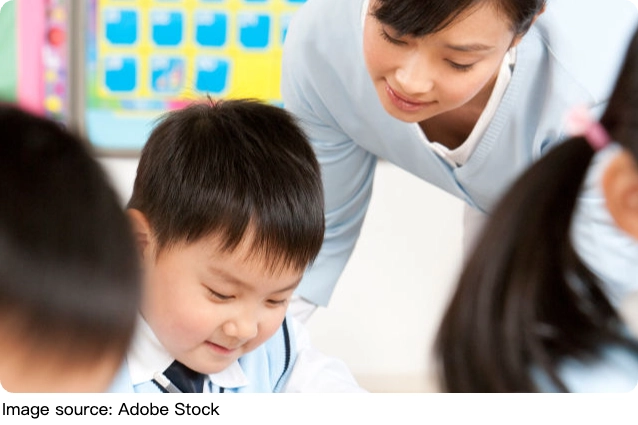
A positive school environment plays a fundamental role in supporting cognitive, emotional, and social development. By fostering supportive relationships, engaging learning experiences, and a culture of respect, schools help children develop the knowledge, confidence, and practical skills needed for future success. A nurturing educational environment not only promotes academic achievement but also lays a strong foundation for lifelong learning, resilience, responsible citizenship, and personal growth.