New Rules for Feeding Birds
Owen Murphy
| 19-08-2026
 · Animal Team
Feeding garden birds is one of the easiest ways to bring wildlife closer to home, but crowded feeders can also create ideal conditions for disease to spread. New guidance from the RSPB therefore centres on two simple principles: feed seasonally and feed safely.
The changes are largely aimed at reducing trichomonosis, a contagious disease that has contributed to serious declines in several British finch species. Greenfinches have been particularly badly affected, while Chaffinches have also declined substantially.
Change Food With the Seasons
The biggest change concerns seeds and peanuts.
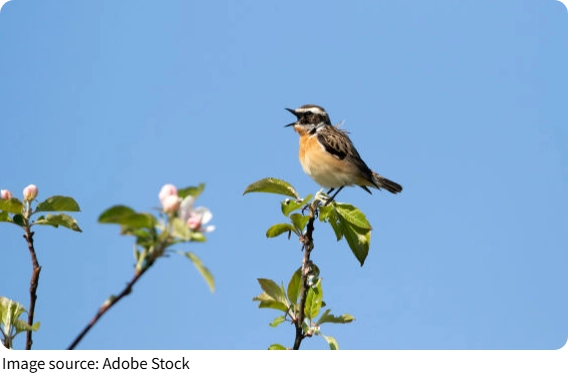
From 1 May to 31 October, the RSPB recommends pausing seed and peanut feeding. During these warmer months, birds generally have greater access to natural foods, while the risk of trichomonosis outbreaks is higher.
Small quantities of mealworms and suet can still be offered.
Mealworms are particularly useful because animal protein can support chick survival during the breeding season. In spring and summer, dried mealworms can also be soaked before being offered, making them easier for young birds to eat.
Between 1 November and 30 April, seeds and peanuts can return to feeders. Winter is when natural food may become harder to find, and supplementary feeding can provide valuable extra energy.
This seasonal approach does not mean birds should suddenly be left without support. Instead, the idea is to offer foods that provide benefits while reducing the number of seed-eating finches gathering together at the riskiest time of year.
Why Finches Are a Particular Concern
Trichomonosis is caused by a microscopic parasite that affects the upper digestive tract. Infected birds may struggle to swallow and can contaminate food that is later eaten by healthy birds.
This is one reason communal feeding sites can become problematic.
Greenfinches and Chaffinches are especially vulnerable because seeds form a major part of their diet. When seeds are unavailable, they may also turn to peanuts, which is why both foods are included in the seasonal pause.
Choose Hanging Feeders
The type of feeder matters too.
Flat feeding surfaces such as bird tables, trays and some window feeders should be avoided. Research reviewed by the RSPB suggests contaminated food can accumulate on these surfaces, increasing opportunities for disease transmission.
Hanging feeders are preferable, particularly designs that help keep food dry.
Moist food should not be allowed to sit for long periods. Damp conditions can help pathogens survive, while old food may also attract rodents.
Offer only as much as birds are likely to eat. Mealworms scattered on the ground should be cleared away by the end of the day, while seeds and peanuts offered during the appropriate season should generally disappear within a day or two.
Clean Feeders Every Week
Good hygiene remains essential even with seasonal feeding.
Feeders and bird baths should be cleaned at least once a week, and old food and droppings beneath feeding areas should be removed. The RSPB also recommends moving feeders to a different position each week to reduce the build-up of contaminated debris beneath them.
If several feeders are available, spacing them around the garden can also reduce the number of birds gathering in a single location.
Avoid putting feeders directly beneath common roosting spots, such as heavily used tree branches, where droppings may contaminate the feeding area.
If sick birds appear, the advice changes: stop feeding for at least three weeks, empty bird baths and resume only after signs of disease have disappeared.
Fresh Water Needs Daily Attention
Water becomes particularly important during hot weather, but bird baths can also become shared points where infection spreads.
Only provide a bath if you can replace the water every day and clean the container regularly. Current RSPB guidance generally recommends fresh tap water where appropriate.
A wildlife pond can offer an even better long-term water source because it provides drinking and bathing opportunities while supporting insects and other garden wildlife.
Let the Garden Provide Food Too
Feeders are only one way to support birds.
Planting natural food sources can reduce dependence on supplementary feeding while making a garden more useful throughout the year.
Sunflowers provide seeds, ivy offers food and shelter, while teasels and other seed-bearing plants can remain standing through autumn and winter. Insect-friendly planting also supports species that need caterpillars and other invertebrates to feed their chicks.
Leaving some areas slightly less tidy can help too. Seed heads, leaf litter and vegetation all create feeding opportunities that do not require birds to crowd around one artificial source.
Small Changes Can Protect Birds
The new advice is not about abandoning bird feeding. Winter feeding remains valuable, particularly during cold periods and the early spring “hungry gap” when natural resources may be limited.
Instead, the focus has shifted towards reducing unnecessary risks.
Pause seeds and peanuts from May through October, offer suitable foods in moderation, favour hanging feeders, clean regularly and provide fresh water only when you can maintain it properly.
For anyone who enjoys seeing birds outside the window, these are relatively small adjustments. But when many gardens follow the same approach, they could help reduce disease transmission while still giving wild birds useful support throughout the year.